
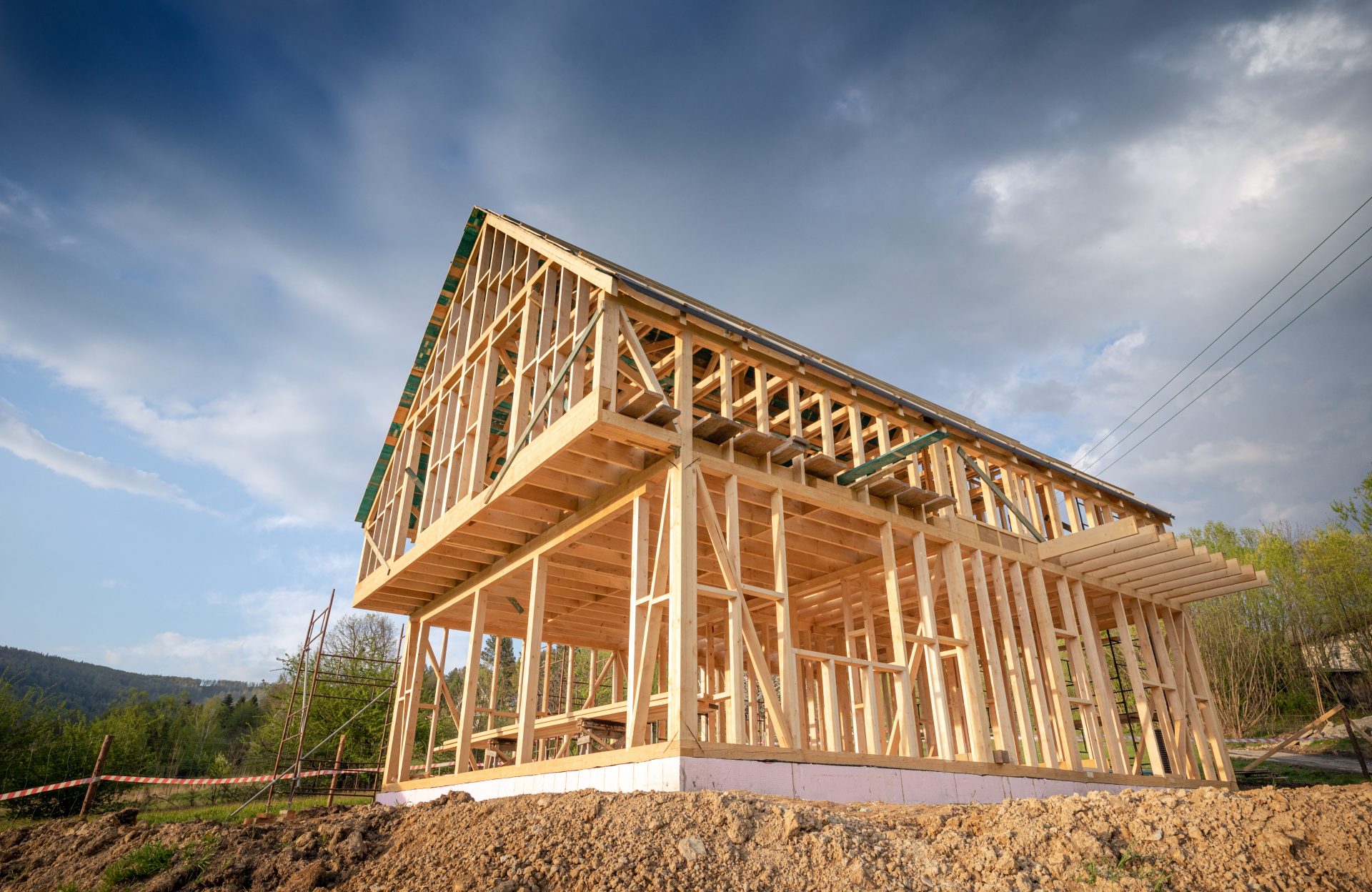
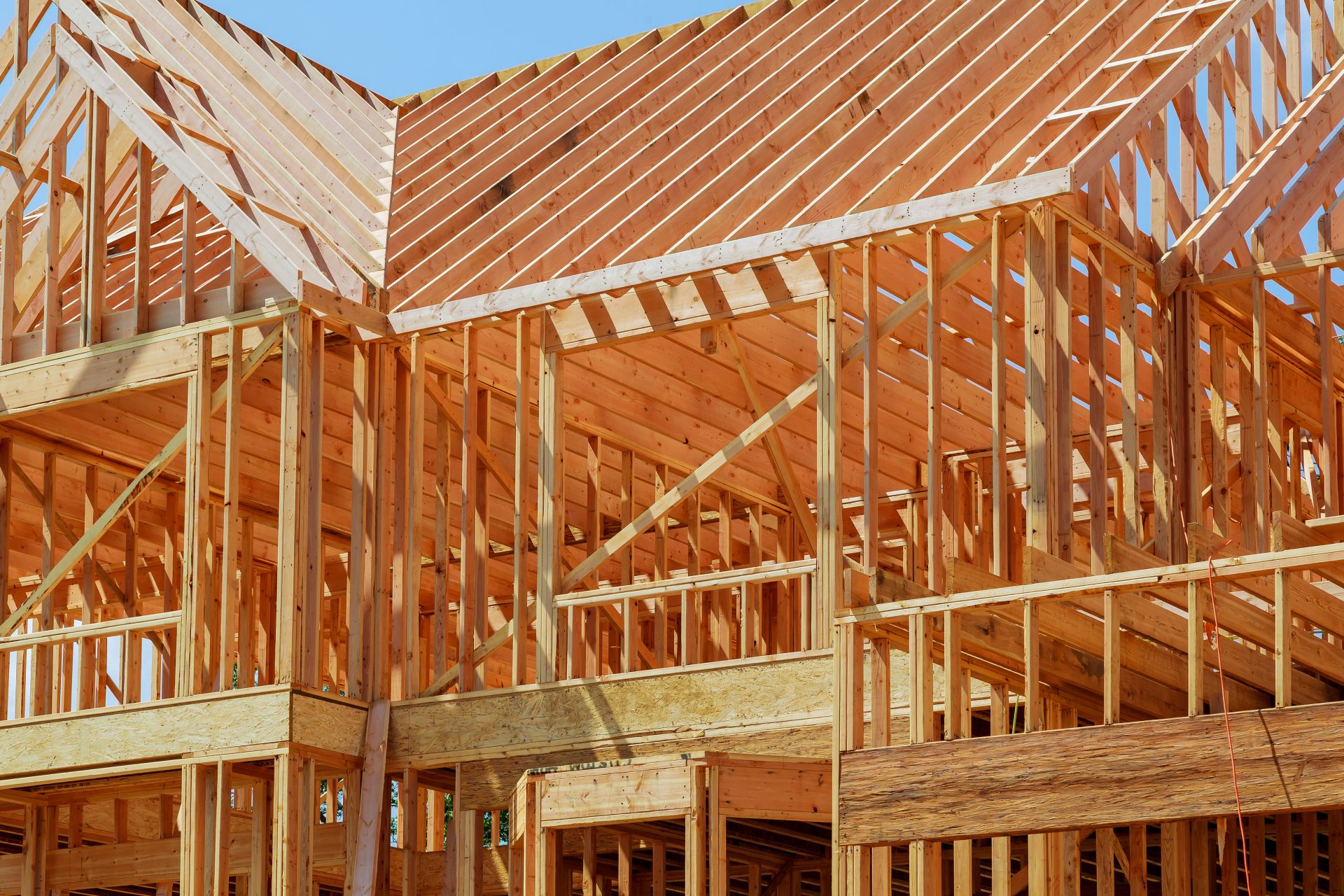
Rough framing is the phase where your home goes from lines on a plan to a real structure—floors, walls, and roof framing take shape, openings get set, and the building starts to look like a house. It’s also one of the biggest “momentum” stages of a project: when framing goes well, everything downstream (dry-in, mechanical rough-ins, insulation, drywall) tends to run smoother.
So how long does rough framing actually take? The honest answer is: it depends, but you can estimate it pretty reliably by home size and complexity. Below is a practical breakdown of rough framing timelines, what speeds it up, what slows it down, and how to plan around it.
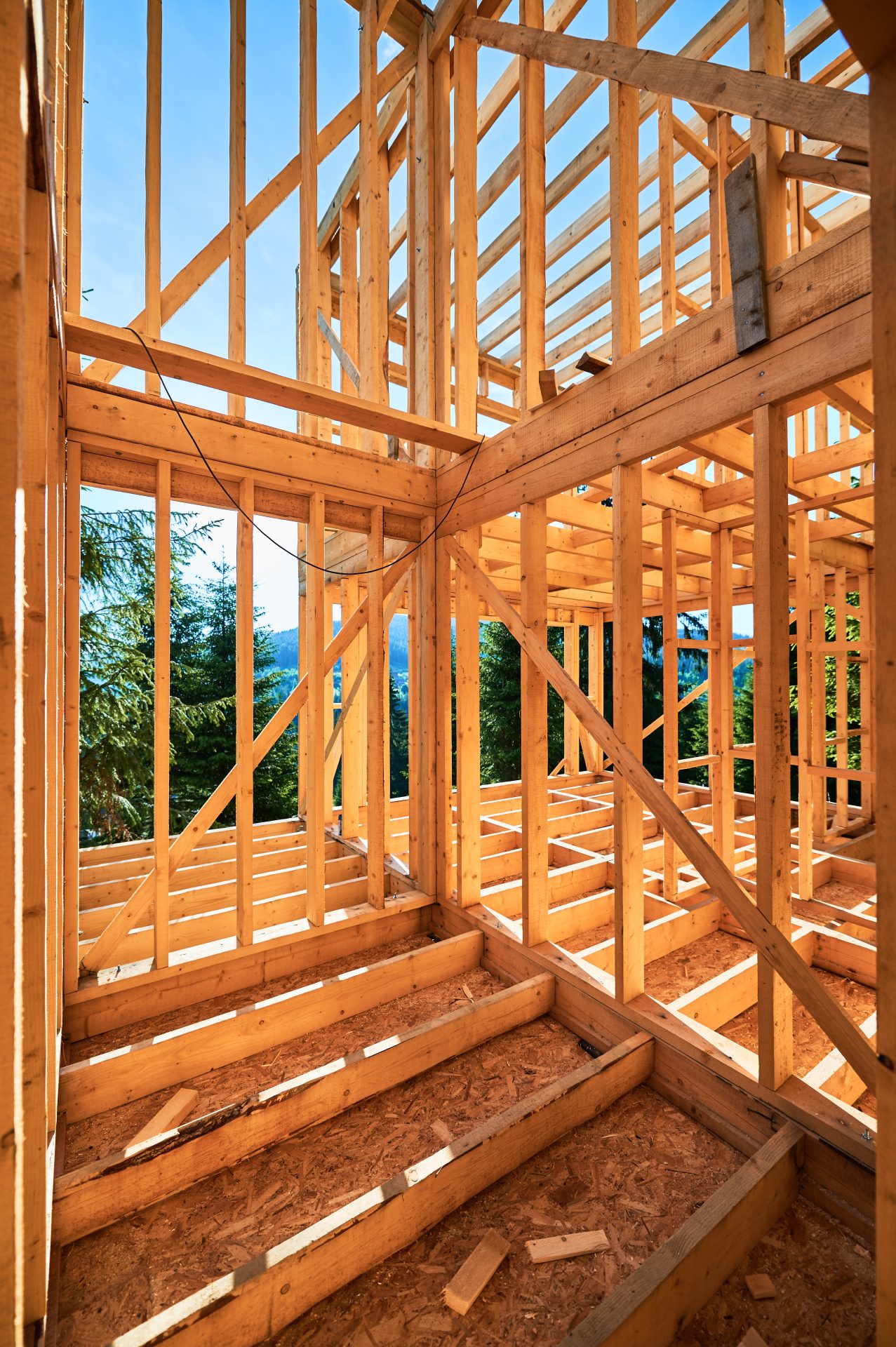
What Counts as “Rough Framing”?
Before we talk timelines, it helps to define the scope. Rough framing typically includes:
Layout and build of floor system(s) (joists, subfloor, beams as applicable)
Exterior and interior wall framing
Roof framing (trusses or stick-built rafters)
Structural components like headers, posts, bracing, shear panels
Stair framing (often rough stage)
Framing hardware (hangars, straps, tie-downs—varies by engineering)
Rough framing does not usually include:
Windows/doors installation
Housewrap
Roofing, siding
Mechanical rough-ins (plumbing/electrical/HVAC)
Those come next as you move toward dry-in.
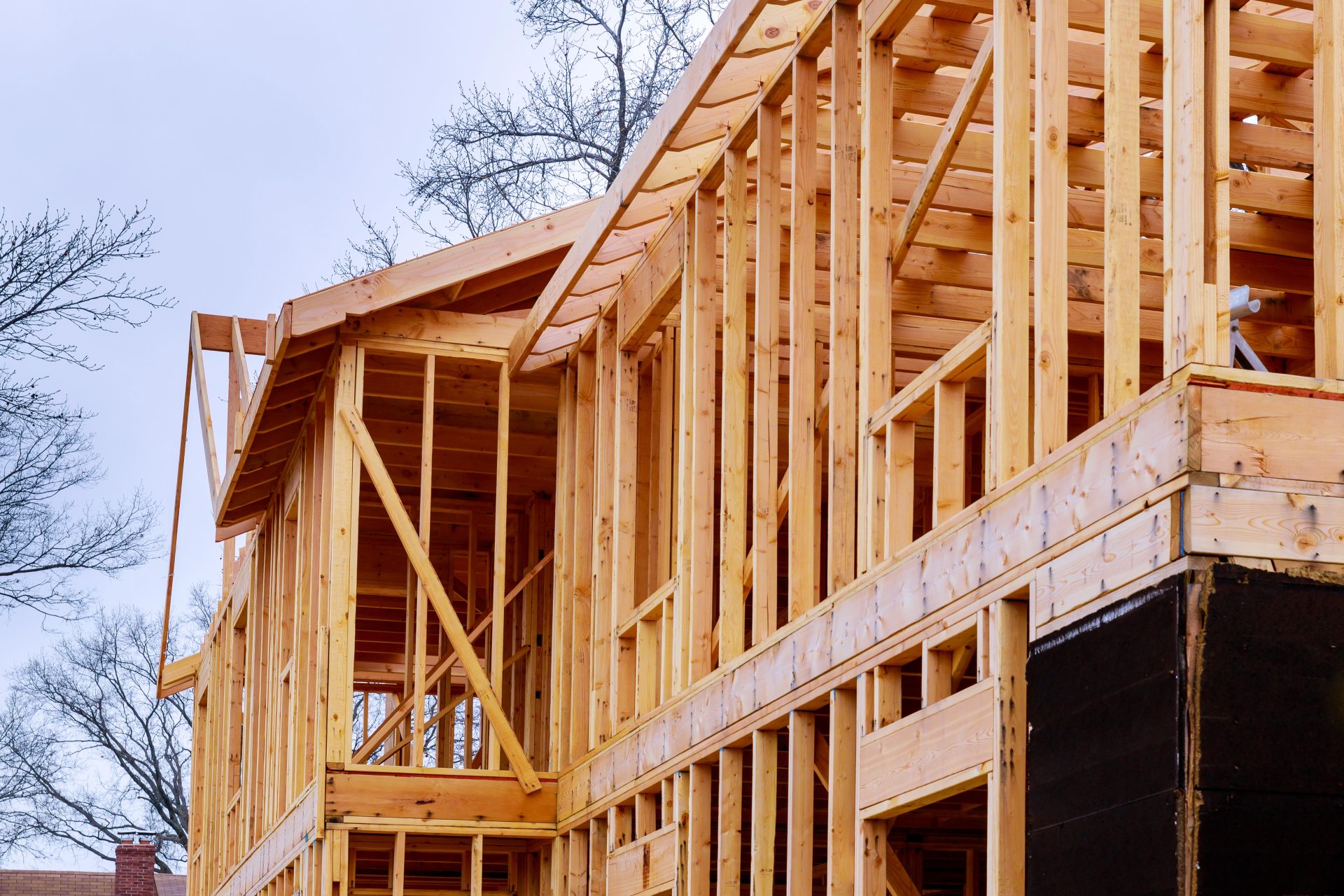
Rough Framing Timeline by Home Size (Typical Ranges)
These ranges assume: normal site access, a professional framing crew, reasonably steady weather, and plans/engineering already approved.
1,000–1,500 sq ft (small home / ADU / cabin)
Typical rough framing time: 1–2 weeks
Common factors: simpler rooflines, fewer interior walls, faster material movement.
1,500–2,500 sq ft (mid-size home)
Typical rough framing time: 2–4 weeks
This is the “most common” range for many builds. Complexity (vaults, multiple roof planes) is what usually pushes it toward the upper end.
2,500–3,500 sq ft (larger home)
Typical rough framing time: 3–5 weeks
More square footage means more labor, but also more structure—multiple living areas, more openings, longer runs, often more engineering.
3,500–5,000+ sq ft (custom home / high-complexity build)
Typical rough framing time: 5–8+ weeks
These projects can vary widely depending on design features like tall wall packages, heavy beams, multi-story great rooms, complex roof systems, and detailed engineering.
Important note: If your project includes a garage, covered patios/decks, porches, or accessory structures, those can add anywhere from several days to multiple weeks depending on scope.
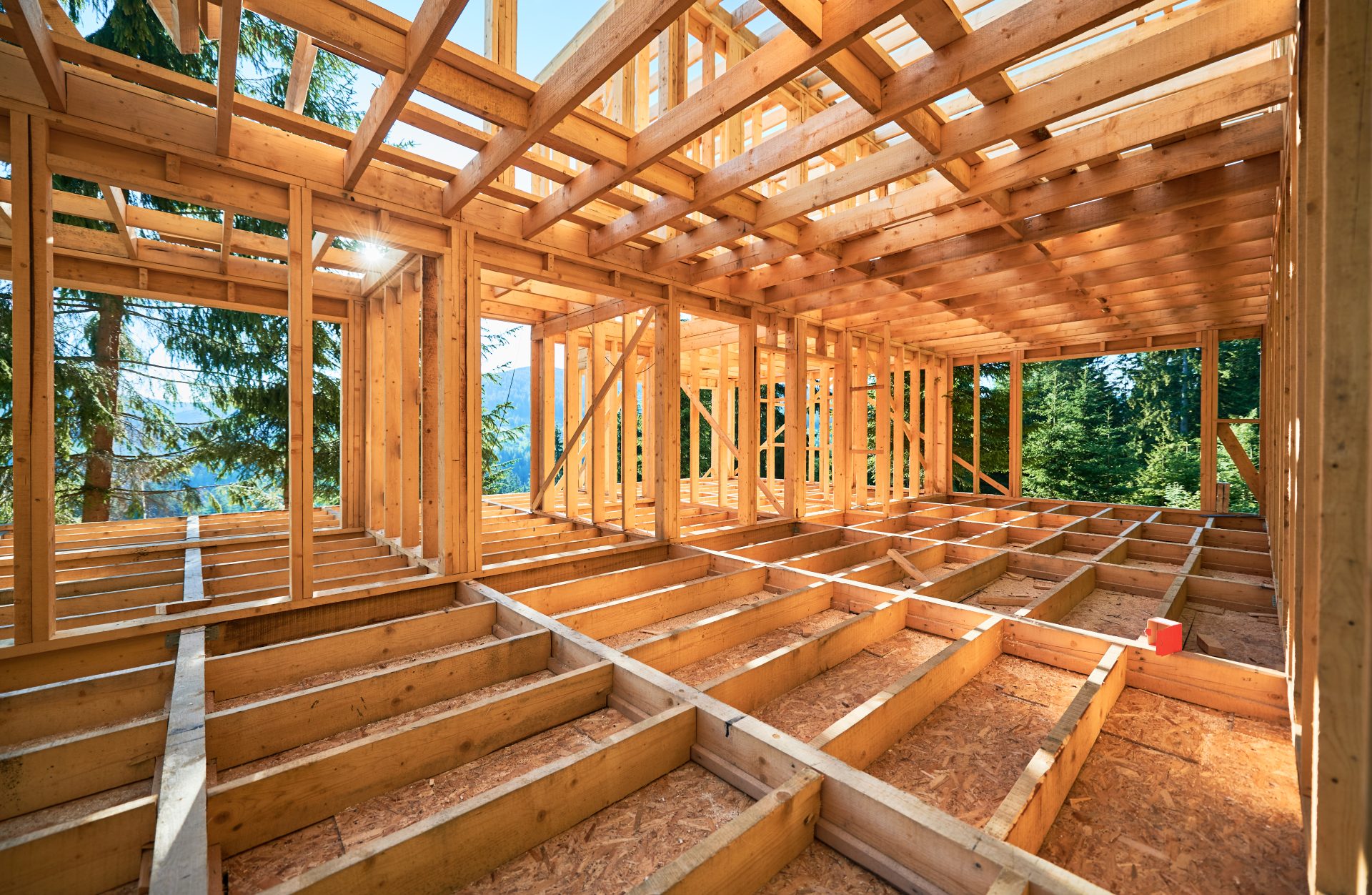
What Changes the Framing Timeline (More Than Square Footage Does)
Home size matters—but these factors often matter more:
1) Roof complexity (the biggest swing factor)
A simple gable roof with trusses is fast. A multi-plane roof with valleys, dormers, hips, and long overhangs takes longer and requires more layout and detailing.
2) Number of stories and ceiling heights
Two-story builds can be efficient (less roof footprint), but they add staging, safety planning, and more time on stairwells and tall wall sets. High ceilings and great rooms increase labor and bracing.
3) Structural engineering requirements
Steel beams, large LVLs, specialty connectors, hold-down systems, and shear detailing can add time—especially if inspections require specific sequencing.
4) Material readiness (and jobsite logistics)
Framing is fast when the lumber package is correct and staged well. It slows down when:
Material deliveries are incomplete or wrong
The site has poor access
There’s no good staging area (snow, mud, tight lots)
5) Weather and season (especially in mountain climates)
Wind, snow, rain, and freeze/thaw conditions can reduce productive hours and affect safety. Even when crews can work, moisture management and protection take time.
6) Changes mid-frame
A “small change” on paper can become a big change in framing. Window moves, door sizing, wall shifts, or beam changes can add days (or more) when it triggers rework.
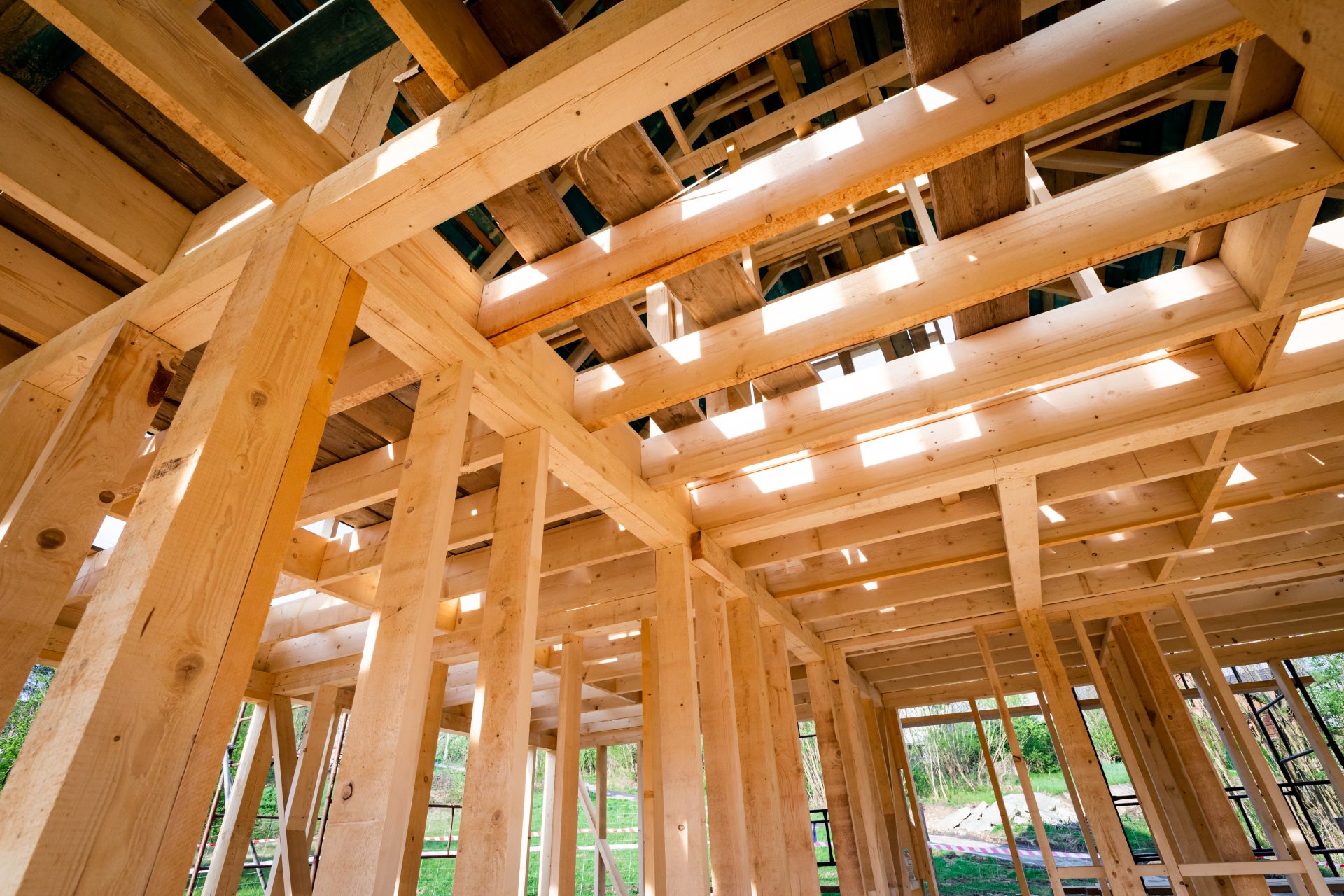
A Realistic Rough Framing Schedule (Example Timeline)
Here’s a common order of operations so you can understand what “2–4 weeks” actually looks like:
Days 1–3: Layout + floor system + subfloor
Days 4–8: Exterior walls framed and stood, major interior walls start
Days 9–15: Second floor system (if applicable) + upper walls
Days 16–20: Roof framing/trusses + bracing
Days 21–25: Punch items, blocking, hardware, inspection prep
This sequence compresses or expands based on your home’s size and complexity.
Rough Framing vs. Dry-in: Don’t Confuse the Milestones
Homeowners often hear “framing” and assume the home is protected. Not quite.
Rough framing = structure built
Dry-in = structure protected from weather (roofing/wrap/openings)
A project might finish rough framing and still need days (or weeks) to reach dry-in depending on roofing, window timing, and wrap details.
How To Keep Your Rough Framing on Schedule
If you want framing to move fast and stay clean, here are the big levers:
Finalize decisions early (window sizes, door locations, ceiling features)
Confirm engineering is complete before lumber is ordered
Stage the site so material can be moved efficiently
Plan inspections ahead of time (don’t wait until the last minute)
Choose a crew that treats framing like precision work, not just speed work
Fast framing that’s sloppy often costs more later—especially during drywall, trim, cabinets, and finish carpentry.
What to Expect From a Professional Framing Crew
A good rough framing crew will:
Keep layout accurate and consistent
Build straight walls and true openings
Stay organized and inspection-ready
Communicate clearly if something in the plans doesn’t work in the real world
Protect the structure as weather moves in
That’s what keeps projects moving—without the “two steps forward, one step back” cycle.
Need Rough-In Framing You Can Plan Around?
At DCY Builders, we know rough framing is where timelines are won or lost. Our goal is to deliver clean, accurate framing with a jobsite that stays organized and inspection-ready—so the dry-in phase and the rest of the build can roll forward without unnecessary delays.
If you’re building in Southwest Colorado and want a realistic framing timeline based on your home size and design, reach out to DCY Builders and we’ll talk through your project.
Related Articles
Related
Choosing the Right Remodeling Home Contractors: A Step-by-Step Guide
Remodeling your home can be one of the best investments you make—when it’s done right. The challenge isn’t deciding what you want to improve. It’s choosing the contractor who will protect your budget, your timeline, and your peace of mind while delivering a finished...
What “Dry-In” Means (and Why It’s a Huge Milestone in Your Build)
If you’ve ever heard a builder say, “We’re almost dried in,” they’re talking about one of the most important turning points in a construction project. Dry-in isn’t just a buzzword—it’s a real milestone that marks the moment your build shifts from “exposed to the...
DCY Builders – Expert Home Framing & Drying In Services
Welcome to DCY Builders, your trusted general contractor specializing in professional home framing and "drying in" services in Durango and the surrounding areas. With years of experience in the construction industry, DCY Builders not only provides high-quality work...