
When people think about steel in construction, they usually picture beams hidden behind drywall—purely structural, purely functional. But custom steel can also be one of the most striking design elements in a home or commercial space. From floating stair systems and railings to decorative brackets, canopies, and one-of-a-kind architectural accents, steel has a way of making a space feel intentional, modern, and built to last.
At DCY Builders, we love incorporating custom steel work into projects because it combines two things that matter on every build: precision craftsmanship and real-world durability. Here’s a look at what custom steel can do, where it shines, and how to plan it so it looks great and performs for decades.
Why Steel Works So Well as a Design Feature
Steel offers a combination of benefits you don’t get from most other materials:
Strength with a slim profile: Steel can span farther and stay thinner than wood, which allows for clean lines and open sightlines.
Modern + timeless aesthetic: It can feel industrial, contemporary, rustic, or refined depending on finish and pairing (wood, stone, glass).
Durability: Properly fabricated and finished steel holds up to heavy use—perfect for stairs, railings, and commercial environments.
Customization: Steel can be fabricated to match your exact design, measurements, and style goals.
Popular Custom Steel Features We Build
1) Steel stair systems
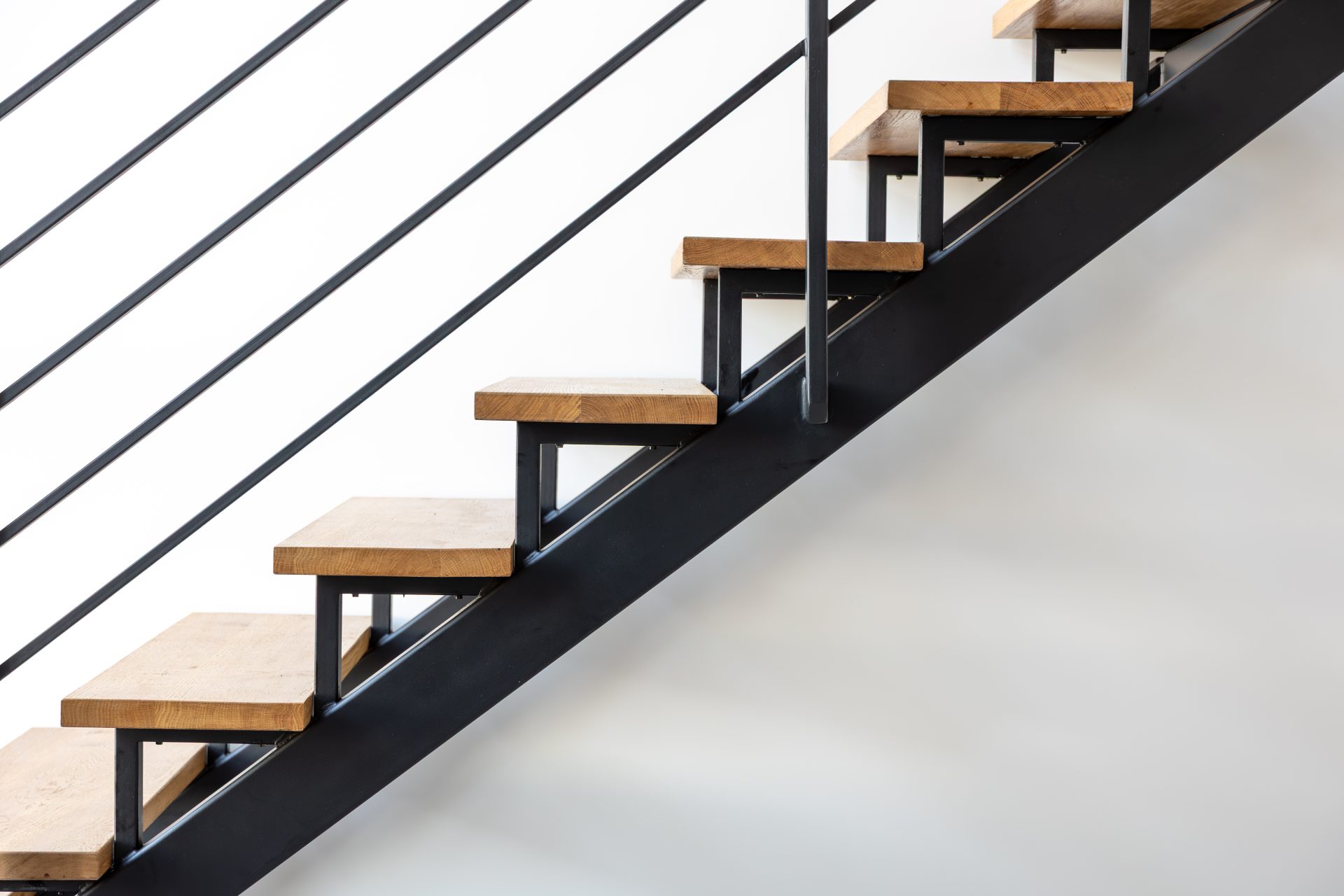
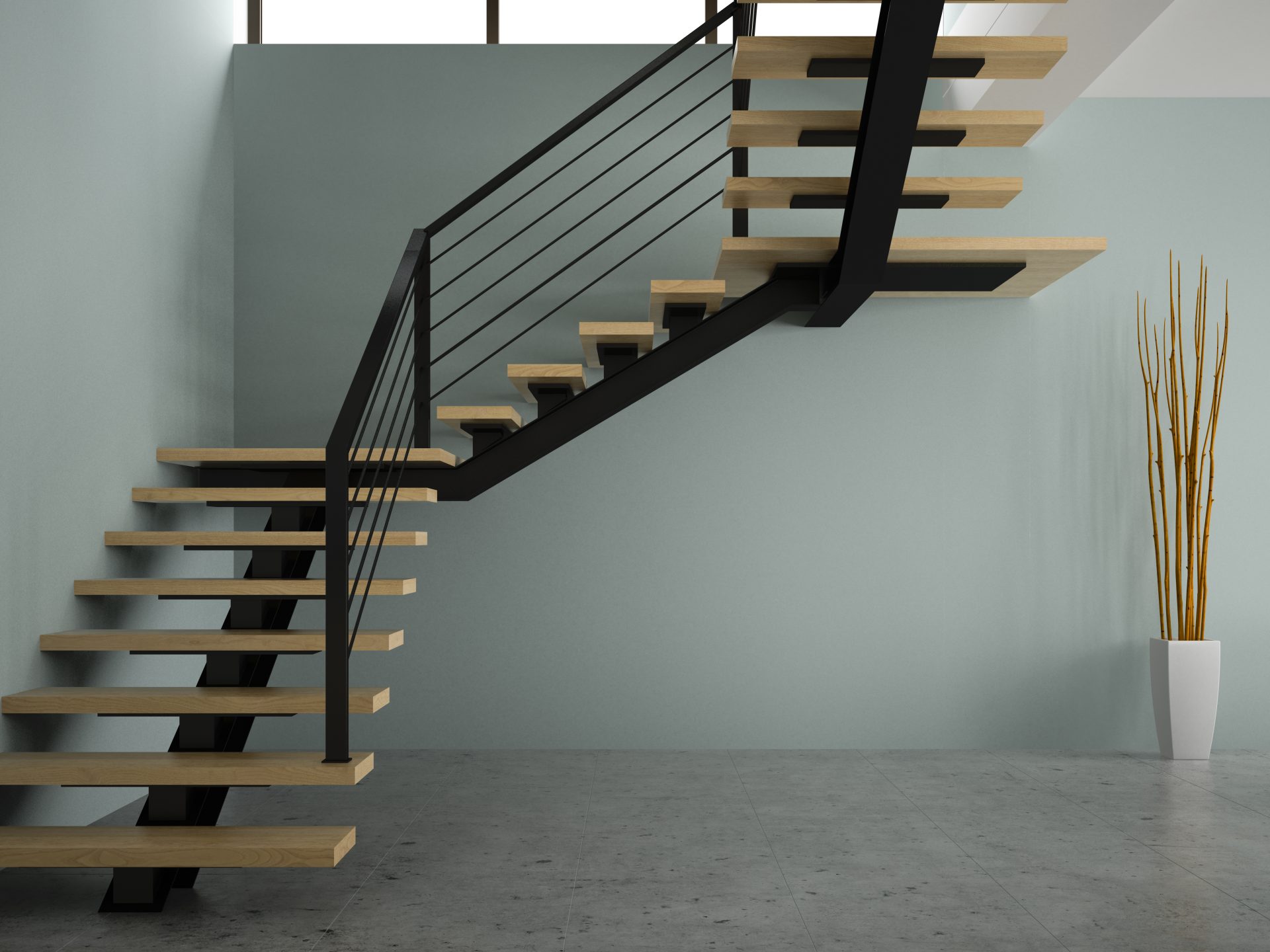
Stairs are a natural place to make a statement. Custom steel allows for designs that feel “floating,” open, and architectural.
Common stair steel elements include:
- Steel stringers (single center stringer or dual side stringers)
- Floating stair frames paired with wood treads
- Steel landings and supports for multi-level designs
- Clean, minimalist connections for a modern look
Steel stair systems also play well in commercial spaces, where high traffic demands a stronger, longer-lasting solution.
2) Railings and guards (interior + exterior)
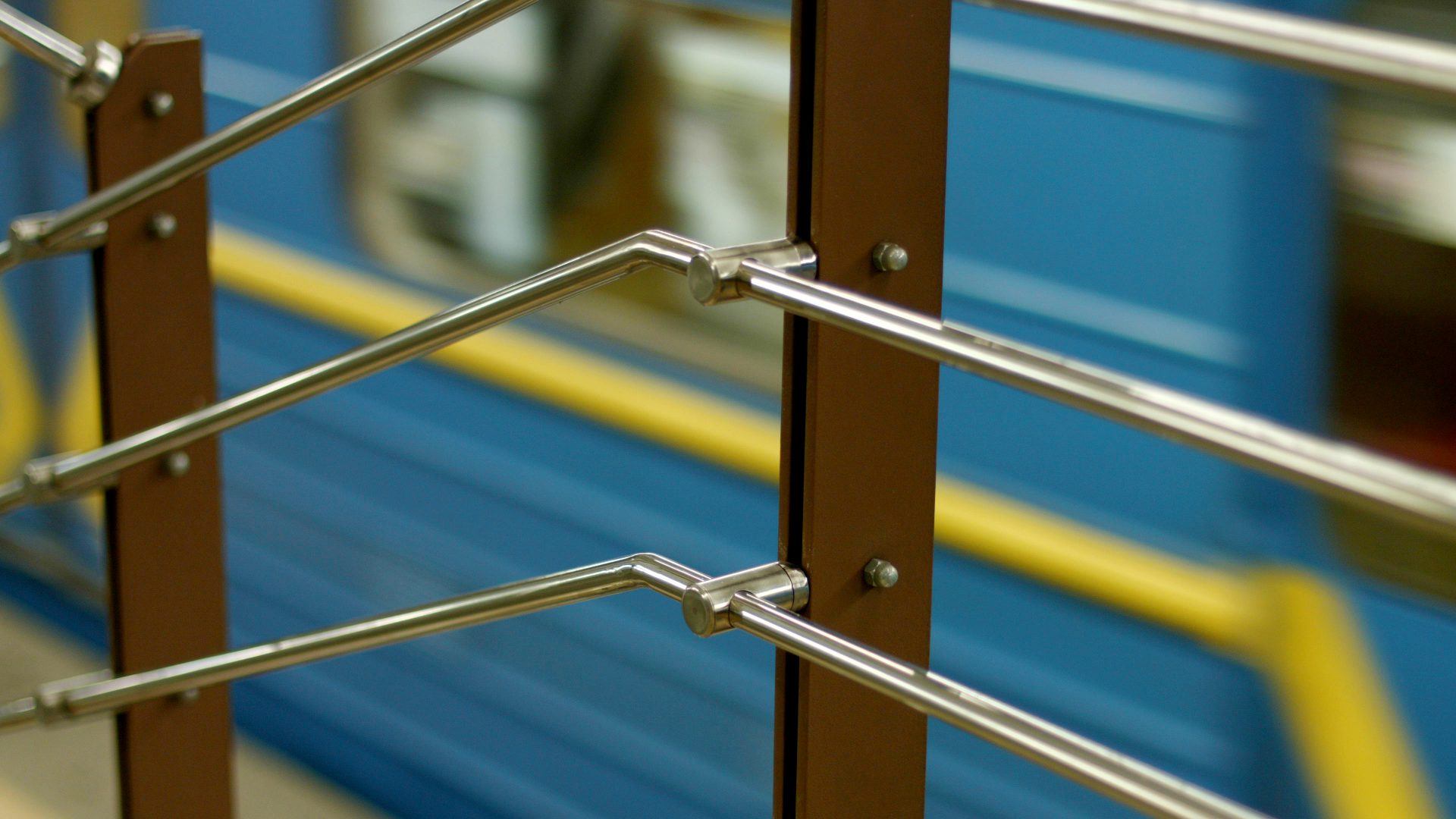
Railings are one of the most visible details in a home or business. Done right, they instantly elevate the space.
Options we often see:
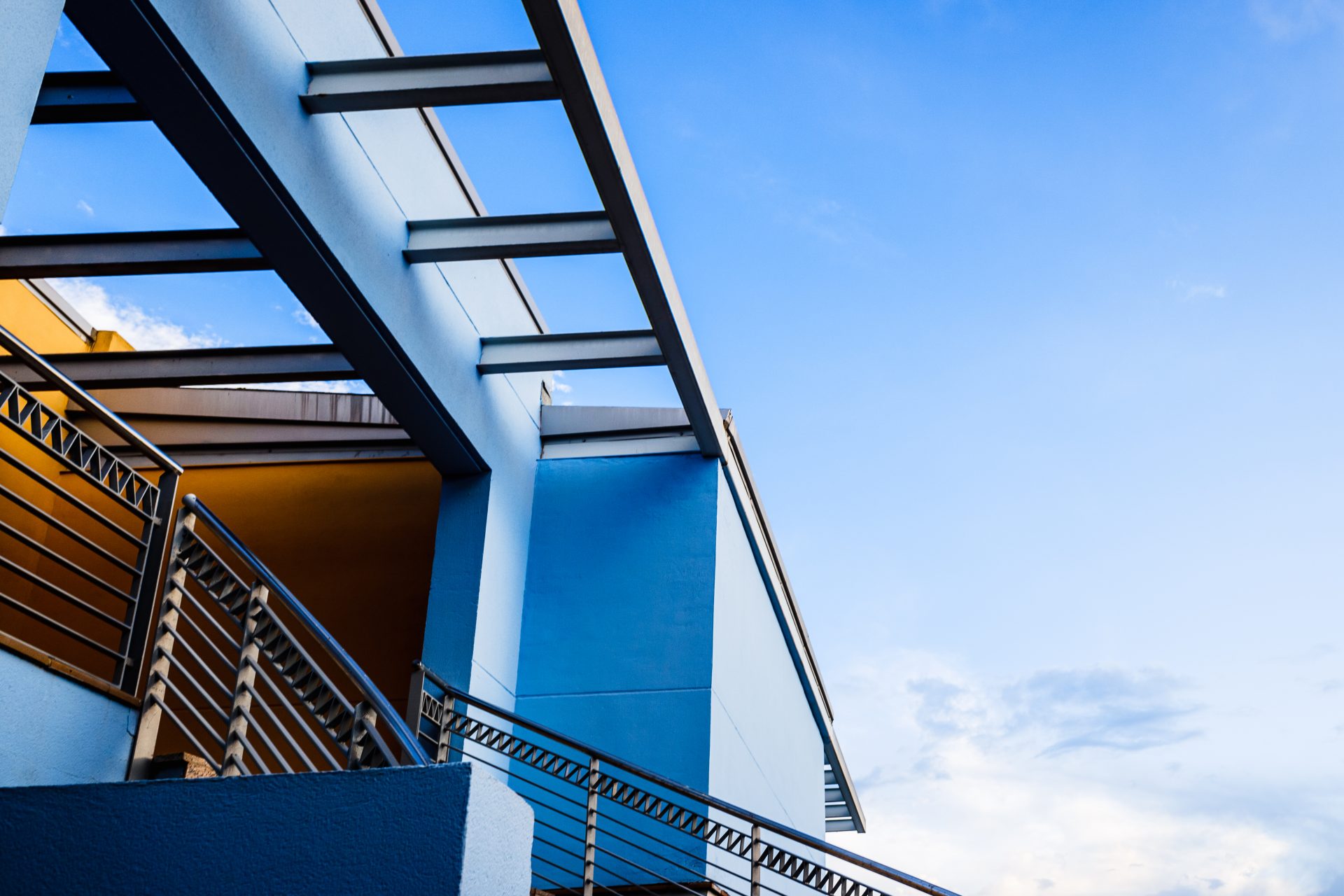
- Simple steel picket railings (clean lines, modern)
- Cable rail systems (open views, great for decks and balconies)
- Steel + wood hybrid handrails
- Decorative panels (laser-cut or patterned infill, depending on design)
Safety and code compliance matter here, especially for spacing, height, and attachment details—so railings are one of those features where professional fabrication and installation makes a big difference.
3) Decorative steel accents
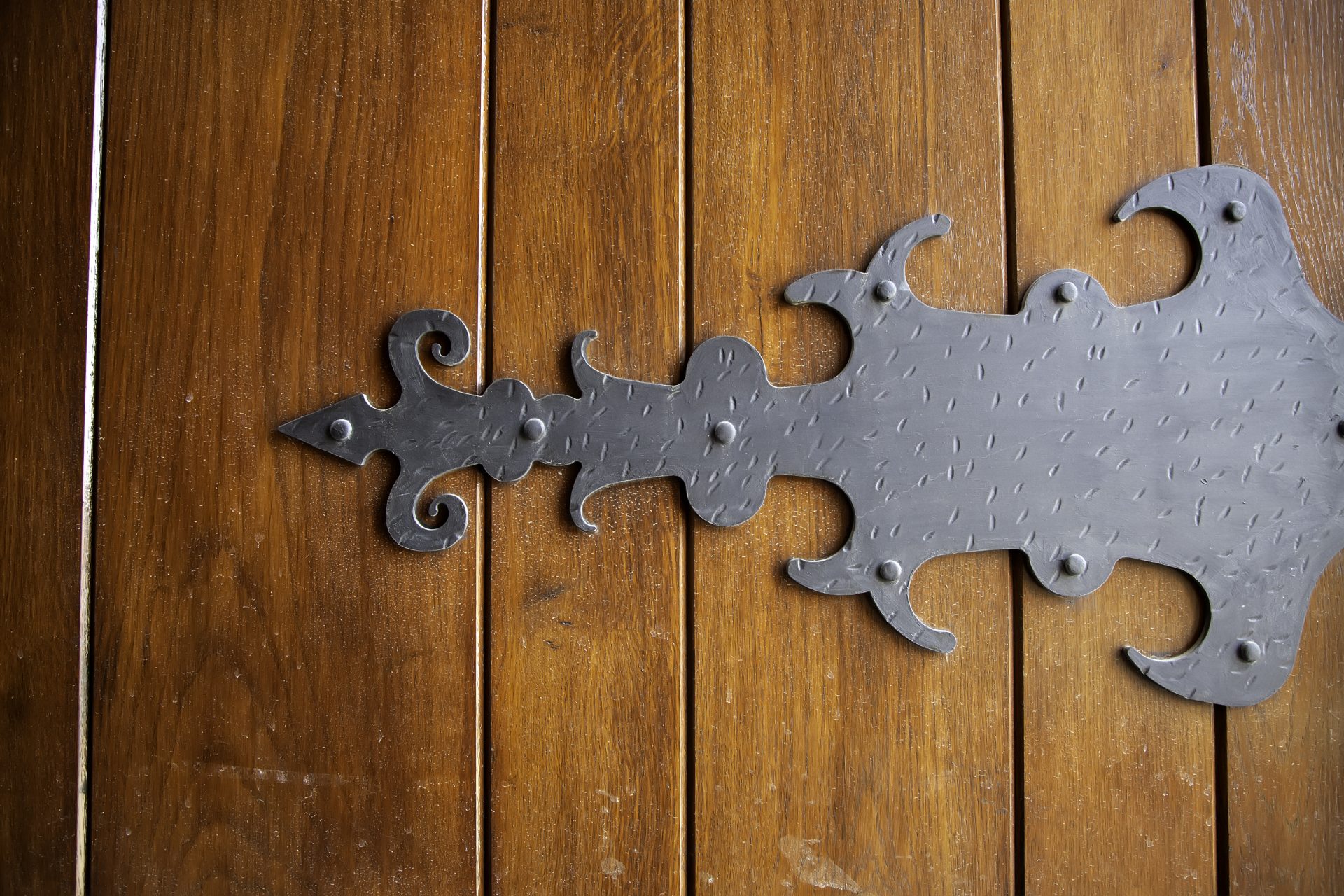
Steel doesn’t have to be large to make an impact. Small touches can add character and craftsmanship without overwhelming the design.
Great decorative uses:
Brackets and corbels (shelves, mantels, exposed trusses)
Fireplace surrounds and mantel supports
Column wraps and base plates
Custom hardware and straps for a subtle “crafted” look
Signage frames and feature details in commercial build-outs
These details are where the “custom” in custom steel really shows.
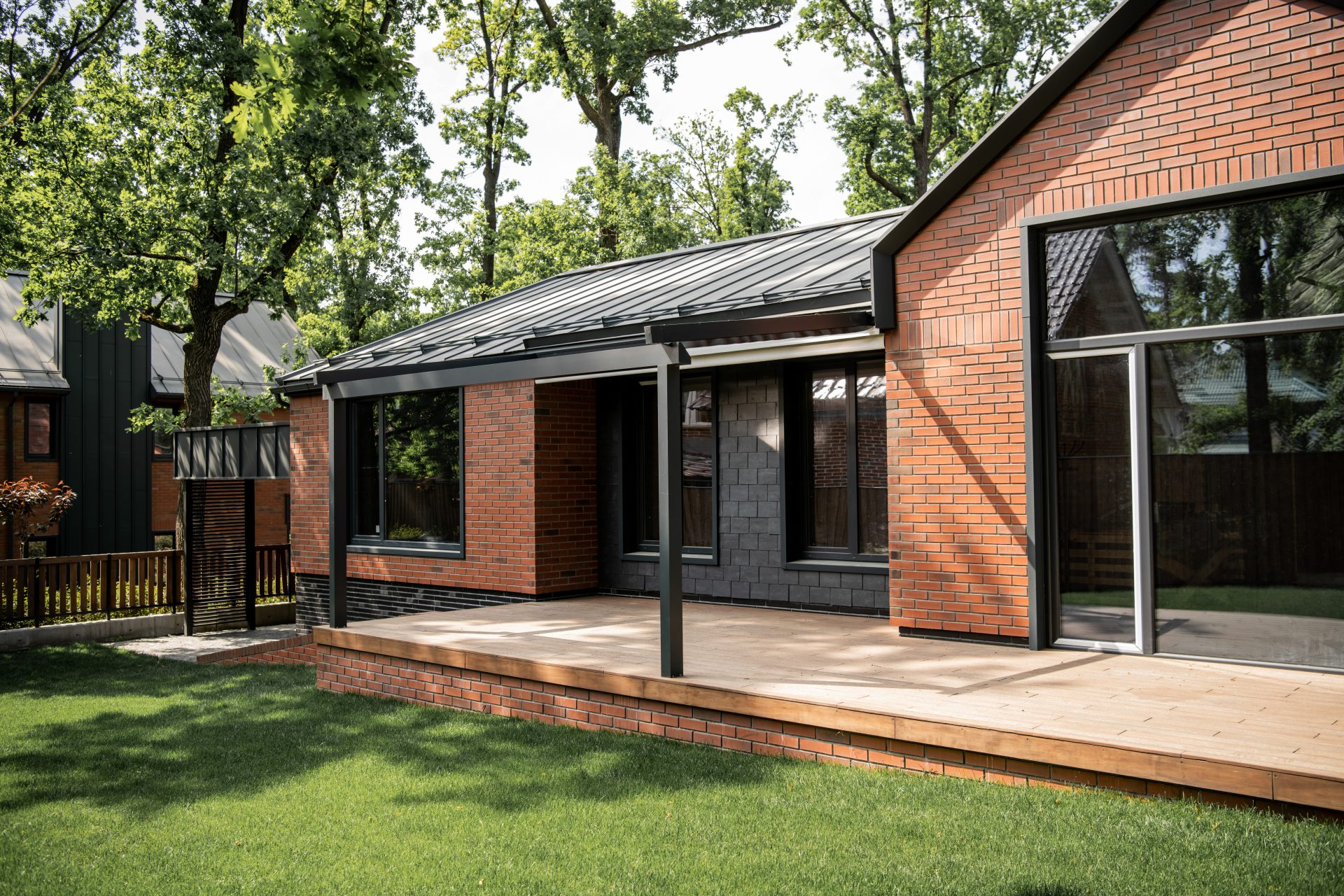
4) Awnings, canopies, and exterior structures
In both residential and commercial projects, steel can create bold exterior features that also provide function.
Examples:
Entry canopies
Patio covers
Shade structures
Commercial storefront awnings
Steel trellises and pergola frames
Steel holds up to weather and can be engineered for snow and wind loads—critical for projects in mountain climates.
5) Structural steel that stays visible on purpose
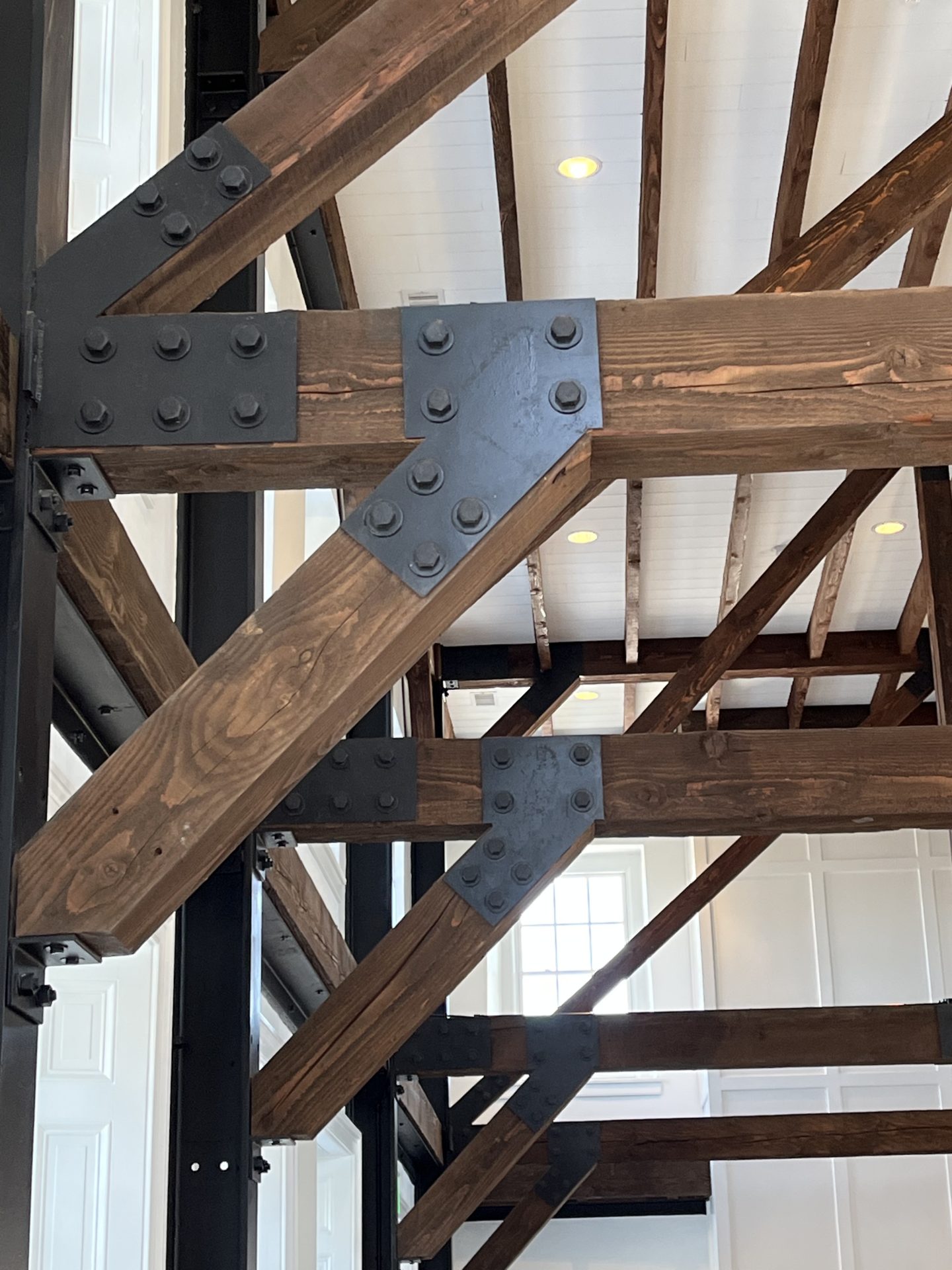
Sometimes steel begins as structural—and becomes a showpiece. Exposed beams, posts, and connections can become part of the architectural language of the home.
Common examples:
Exposed steel beams in open floor plans
Steel moment frames for big openings
Hybrid wood/steel systems for a warm-meets-modern feel
If you want exposed steel, planning the finish and connection details early is key. The little things—weld appearance, bolt layout, plate sizing—matter a lot when it’s meant to be seen.
Finishes that Change the Look (and Performance)
Steel can be finished many ways depending on style and environment:
Powder coat: Clean, durable, consistent color; great for railings and exterior features.
Painted steel: Flexible and cost-effective; best when properly prepped and primed.
Blackened / patina finishes: Adds character and depth; typically sealed afterward.
Galvanized steel: Excellent for exterior corrosion resistance; more industrial look.
Brushed or polished steel: Modern and refined, often used in commercial settings.
Your finish choice should match both the aesthetic and where the steel will live (interior, exterior, high-touch surfaces, moisture exposure).
Planning Tips: How to Get Custom Steel Right the First Time
1) Design early—don’t wait until the last minute
Custom steel requires fabrication lead time and coordination with framing, drywall, flooring, and finish trades. If you want a steel stair or railing, plan it early so dimensions and attachment points are built correctly.
2) Coordinate attachment details with framing
Steel is only as strong as what it’s anchored to. Blocking, backing plates, and framing reinforcements should be installed intentionally—not improvised.
3) Expect exact measurements (and verify after finishes)
Many steel components need final field verification once framing is complete—sometimes even after drywall or flooring depending on tolerances. The best results come from measuring at the right stage.
4) Decide how “perfect” you want it to look
If steel is exposed, you’ll want to talk about:
Weld visibility and grind level
Seam locations
Corner detailing
Bolt style and alignment
Plate thickness and edge profiles
Those choices affect both cost and final appearance.
5) Build for code and real-life use
Stairs, guards, and handrails must meet safety codes. A great-looking design still needs the right heights, spacing, and load performance—especially in commercial applications.
Residential vs. Commercial: What Changes?
The biggest differences in commercial steel features are:
Higher traffic and heavier use
More stringent code requirements
Durability-focused finish selections
Tighter timelines and coordination with multiple subcontractors
A steel railing in a busy commercial environment needs a different mindset than a decorative stair railing in a private home—both can look great, but the build approach changes.
Bring Custom Steel into Your Next Project
Custom steel is one of the best ways to add “wow” without sacrificing longevity. Whether you’re envisioning a statement stair, a clean modern railing, decorative brackets, or steel features for a commercial space, DCY Builders can help you plan and execute the details so the finished product looks intentional, functions correctly, and holds up for the long haul.
If you’re considering custom steel elements for a home or commercial project in Southwest Colorado, reach out to DCY Builders and let’s talk through the idea, timeline, and build approach.
Related Articles
Related
Choosing the Right Remodeling Home Contractors: A Step-by-Step Guide
Remodeling your home can be one of the best investments you make—when it’s done right. The challenge isn’t deciding what you want to improve. It’s choosing the contractor who will protect your budget, your timeline, and your peace of mind while delivering a finished...
How Long Does Rough Framing Take? Timeline by Home Size
Rough framing is the phase where your home goes from lines on a plan to a real structure—floors, walls, and roof framing take shape, openings get set, and the building starts to look like a house. It’s also one of the biggest “momentum” stages of a project: when...
What “Dry-In” Means (and Why It’s a Huge Milestone in Your Build)
If you’ve ever heard a builder say, “We’re almost dried in,” they’re talking about one of the most important turning points in a construction project. Dry-in isn’t just a buzzword—it’s a real milestone that marks the moment your build shifts from “exposed to the...