
What “Dry-In” Means (and Why It’s a Huge Milestone in Your Build)
If you’ve ever heard a builder say, “We’re almost dried in,” they’re talking about one of the most important turning points in a construction project. Dry-in isn’t just a buzzword—it’s a real milestone that marks the moment your build shifts from “exposed to the elements” to “protected and ready to move forward.”
Here’s what dry-in means, what it typically includes, and why it matters so much for your schedule, budget, and long-term build quality.

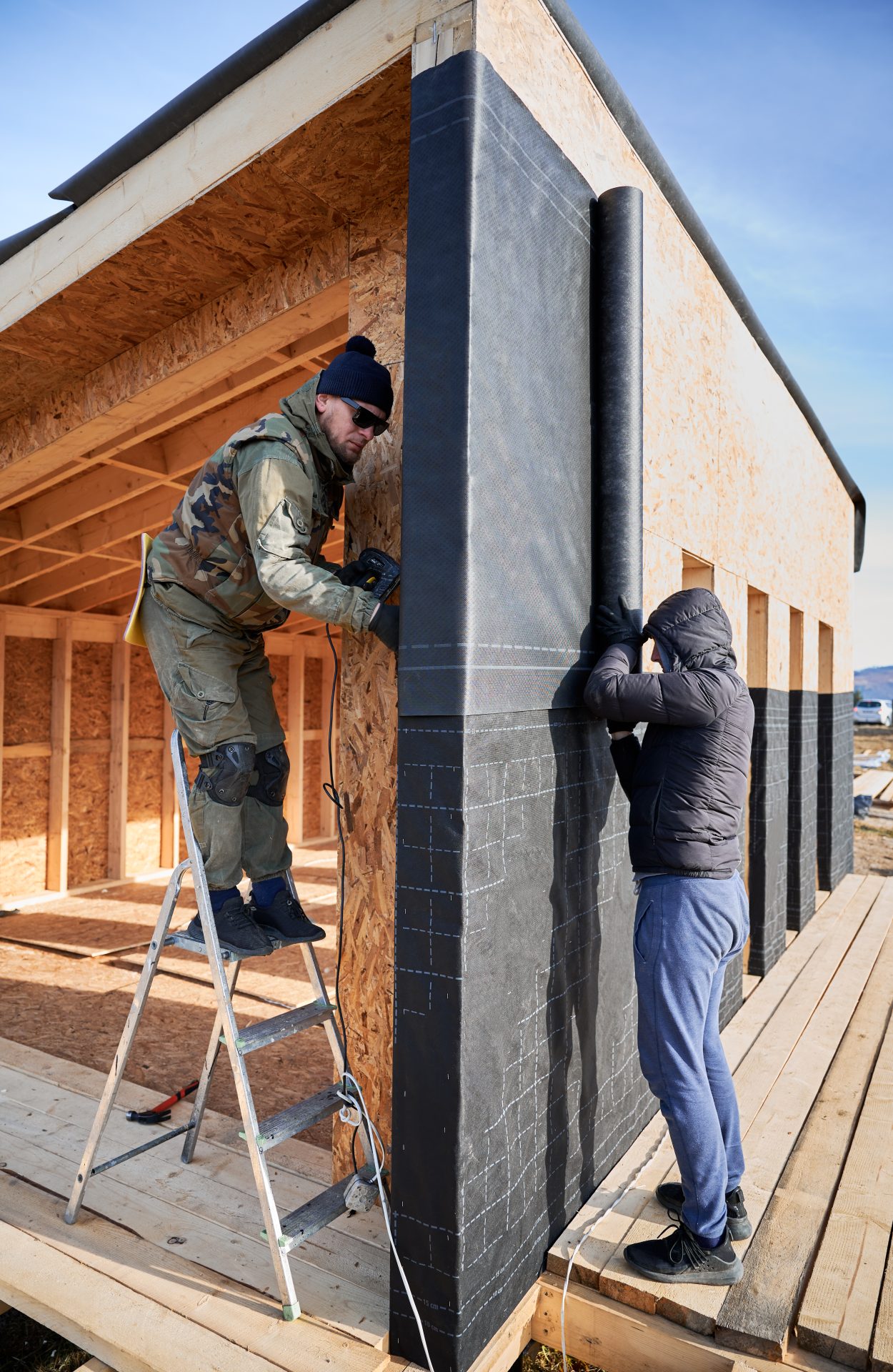

As a general contractor, DCY Builders goes beyond just framing and drying in – we coordinate the entire process by bringing together skilled tradespeople and experts necessary for every aspect of your project
What does “dry-in” mean in construction?
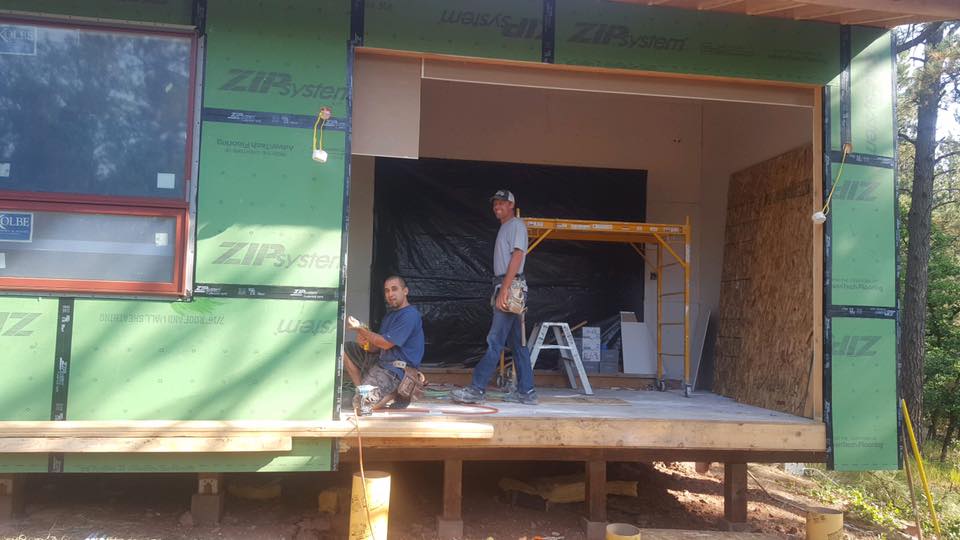
Dry-in is the stage where the structure is enclosed enough to keep out most rain, snow, and wind-driven moisture so interior work can begin safely and efficiently.
In plain terms: your home goes from an open frame to a weather-protected shell.
Dry-in is usually considered achieved when the building has:
-
- Roofing installed (or underlayment/temporary dry-in depending on phase)
- Exterior sheathing up
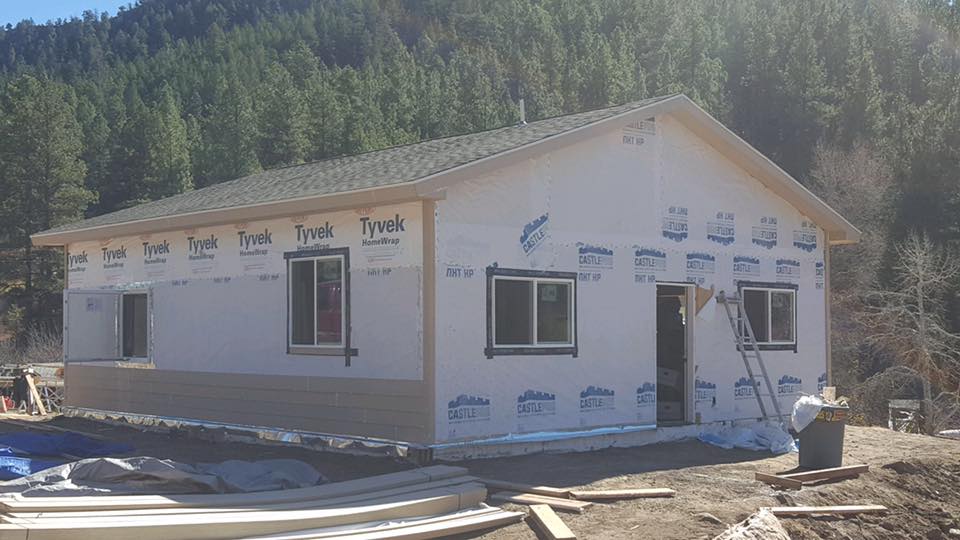
- Weather-resistant barrier (housewrap) installed
- Windows and exterior doors set (or securely covered/openings protected)
- Key flashing details started or completed (varies by project and sequencing)
Different builders define it slightly differently, but the goal is the same: lock out weather so the project can keep moving.
Why dry-in is a huge milestone
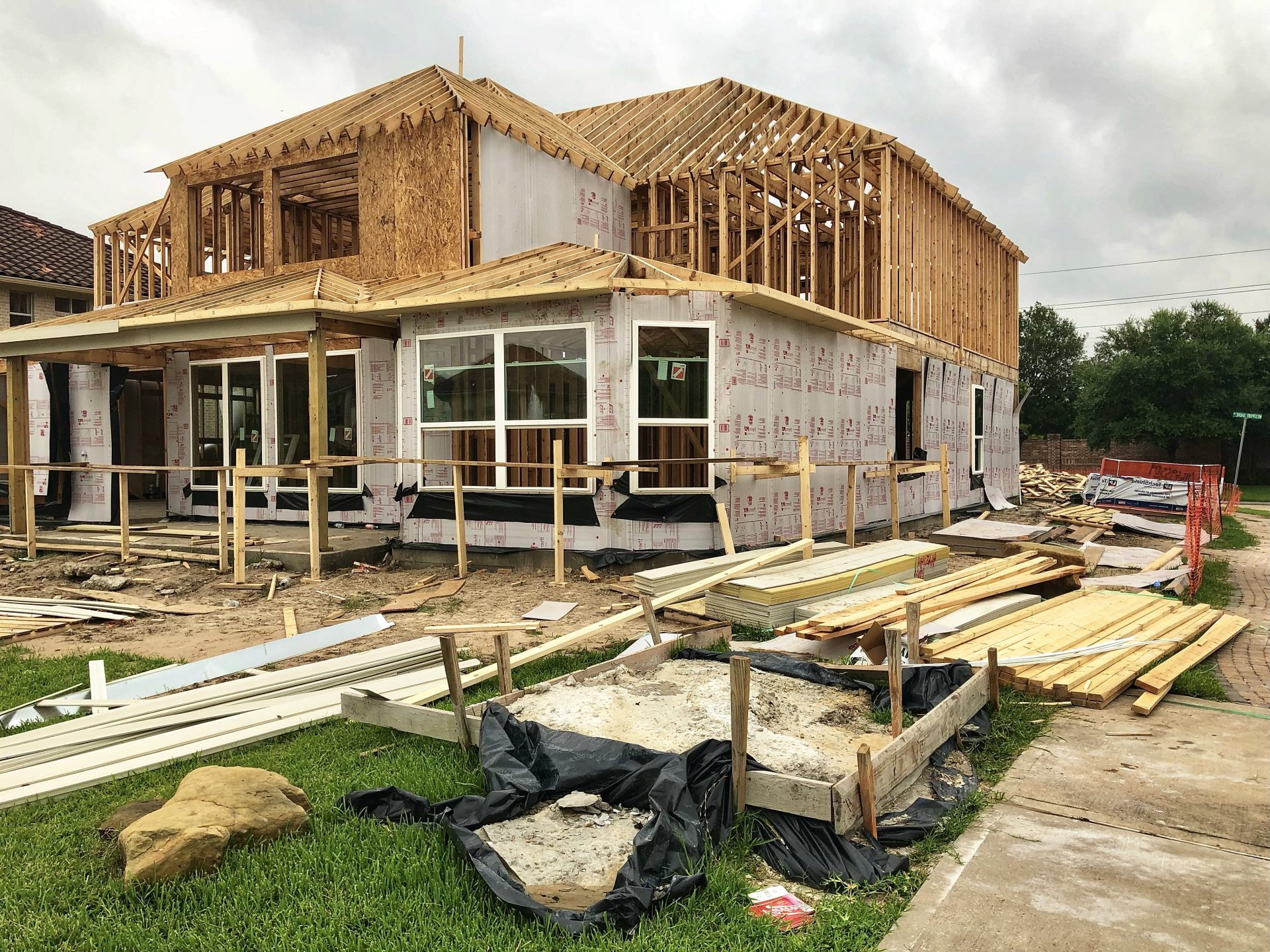
1) It protects the materials you’ve already paid for
Framing lumber, sub-floors, and structural components can take a beating if they stay exposed too long. A solid dry-in strategy reduces:
-
- Warping and swelling
- Mold risk
- Wet insulation and damp cavities later on
- Rework caused by weather damage
2) It unlocks the next phase of the build
Most of the interior work can’t (or shouldn’t) begin until dry-in happens. Dry-in is what allows trades to start doing their best work, including:
-
- Plumbing rough-in
- Electrical rough-in
- HVAC and ventilation
- Insulation prep
- Drywall scheduling
In other words, dry-in is the gateway to “real progress” inside the home.
3) It stabilizes your timeline
Before dry-in, weather can pause progress. After dry-in, the schedule becomes far more predictable—especially in places where conditions can change quickly. When the structure is protected, crews can work through more days without losing momentum.
4) It’s where quality details start to really matter
Dry-in isn’t just about speed—it’s about doing the enclosure correctly. Details like straight framing, properly installed sheathing, clean window openings, and correct flashing practices can prevent long-term headaches like:
-
- Water intrusion
- Drafts and poor energy performance
- Door/window alignment issues
- Callbacks and repairs later
A “fast” dry-in that’s sloppy usually costs more later. A well-executed dry-in saves time and stress downstream.
What “dry-in” typically includes (step-by-step)
While every build is unique, here’s the common sequence:
- Rough-in framing completed
- Walls, floors, roof structure/trusses, key headers and bracing
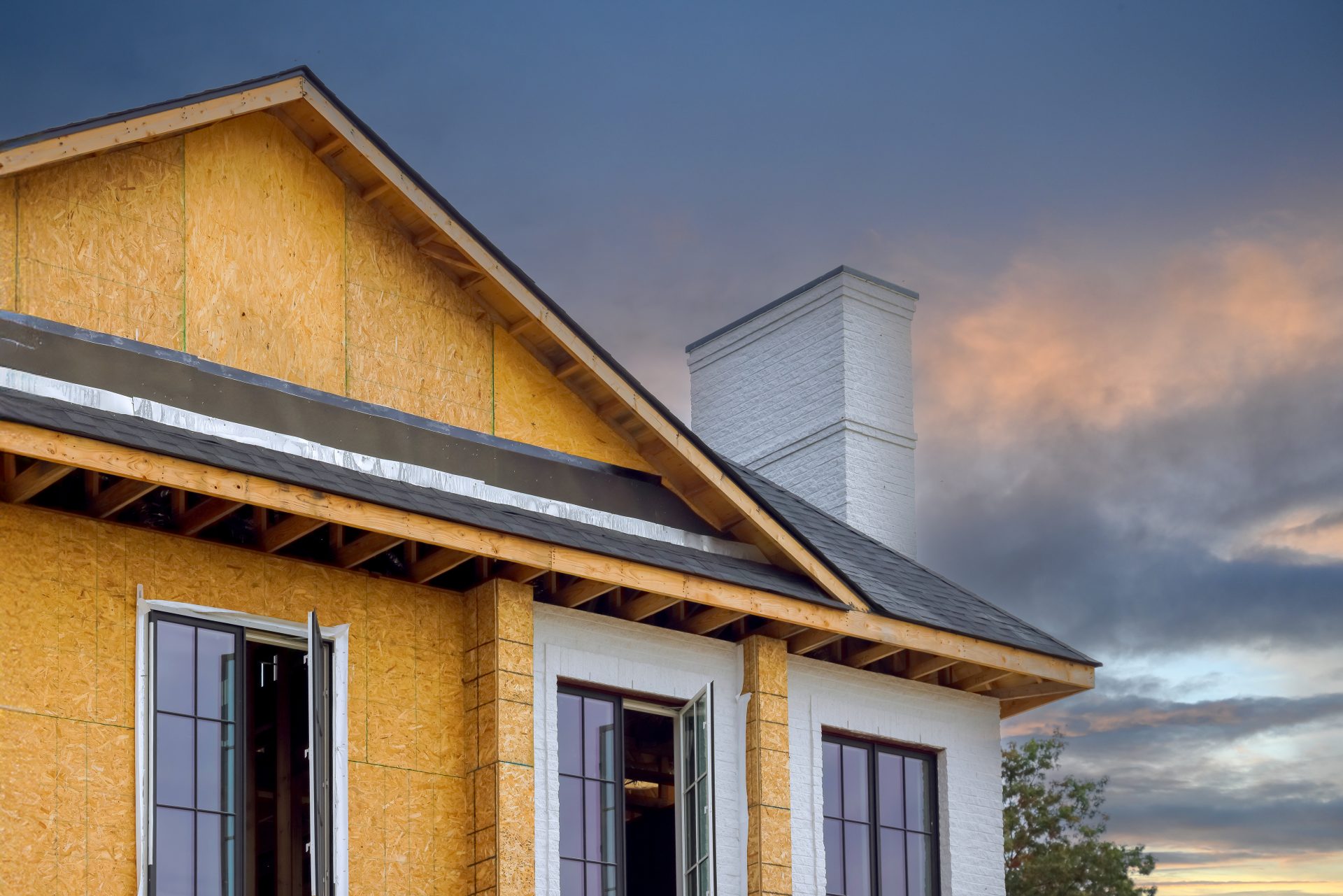
- Sheathing installed
- Exterior wall sheathing + roof decking (as applicable)
- Roof dried in
- Underlayment, ice/water shield (where needed), and roofing installed or staged appropriately
- Weather-resistant barrier applied
- Housewrap or equivalent applied and taped/sealed correctly
- Openings protected
- Windows/doors installed, or openings fully covered and secured if installation is scheduled next
- Flashing and water management details
- Proper layering where water should always be directed out—not into the wall
Signs you have a “good” dry-in (not just a fast one)
Here are a few quality markers homeowners can look for:
-
- Straight, clean framing lines (walls look true, openings look consistent)
- Neat wrap and tape work (no flapping, gaps, or sloppy seams)
- Properly protected window/door openings
- Organized jobsite (less chaos usually means better control and fewer mistakes)
- Visible water-shedding logic (materials layered to drain outward)
You don’t need to be an expert to notice craftsmanship.

Common misconceptions about dry-in
“Dry-in means it’s waterproof.”
Not exactly. Dry-in means weather-protected enough to proceed. Final waterproofing is a system that continues as siding, trim, roofing details, and finishes are completed.
“Dry-in is just wrapping the house.”
Housewrap is part of it, but dry-in is a combination of roof protection, sheathing, wrap, openings, and flashing details working together.
“If we’re dried in, delays are over.”
Dry-in reduces weather delays, but scheduling still depends on trade availability, inspections, material lead times, and change orders.
Why dry-in matters for your budget
Dry-in is one of those milestones where doing it right can quietly save you money:
-
- Less damage and replacement
- Fewer inspection failures
- Fewer surprises during finish stages (trim, cabinets, tile)
- Better long-term performance (less moisture-related repair risk)
It’s not just a date on a schedule—it’s a quality checkpoint.
Want your project dried in fast—and done right?
At DCY Builders, we treat dry-in like what it is: the moment your build becomes protected, predictable, and ready for the next phase. Whether we’re handling rough-in framing and dry-in or delivering a full build, our goal is the same—clean execution, solid communication, and craftsmanship that holds up.
If you’re planning a build or need a framing and dry-in crew you can rely on, reach out to DCY Builders and let’s talk through your timeline.
Related Articles
Related
Choosing the Right Remodeling Home Contractors: A Step-by-Step Guide
Remodeling your home can be one of the best investments you make—when it’s done right. The challenge isn’t deciding what you want to improve. It’s choosing the contractor who will protect your budget, your timeline, and your peace of mind while delivering a finished...
How Long Does Rough Framing Take? Timeline by Home Size
Rough framing is the phase where your home goes from lines on a plan to a real structure—floors, walls, and roof framing take shape, openings get set, and the building starts to look like a house. It’s also one of the biggest “momentum” stages of a project: when...
DCY Builders – Expert Home Framing & Drying In Services
Welcome to DCY Builders, your trusted general contractor specializing in professional home framing and "drying in" services in Durango and the surrounding areas. With years of experience in the construction industry, DCY Builders not only provides high-quality work...