
Remodeling your home can be one of the best investments you make—when it’s done right. The challenge isn’t deciding what you want to improve. It’s choosing the contractor who will protect your budget, your timeline, and your peace of mind while delivering a finished space you’re proud of.
Whether you’re planning a kitchen remodel, bathroom upgrade, basement finish, or a whole-home renovation, here’s a practical step-by-step guide to choosing the right remodeling home contractor.
Step 1: Get Clear on Your Remodel Goals (Before You Call Anyone)
A contractor can’t give accurate guidance—or pricing—without knowing what success looks like. You don’t need final finishes picked out yet, but you should be able to answer:
- What problem are we solving? (Function, space, comfort, value, safety?)
- What rooms are included?
- What’s your general budget range?
- What’s your ideal timeline and “must-finish-by” date?
Pro tip: Write down your top 3 priorities (example: “more storage, better layout, durable finishes”). This helps you compare contractors based on what matters most to you.
Step 2: Narrow Your List to Contractors Who Truly Specialize in Remodeling
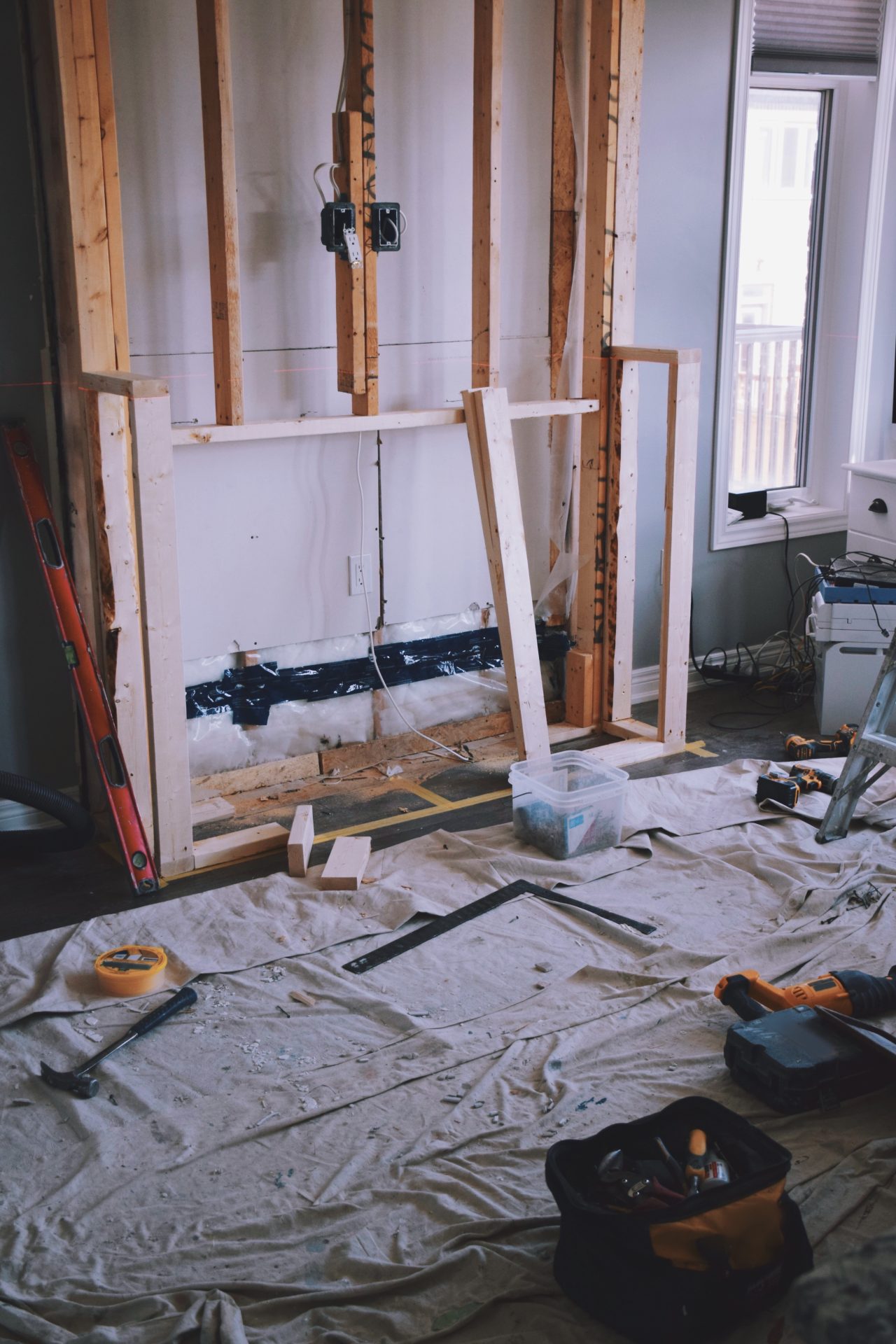
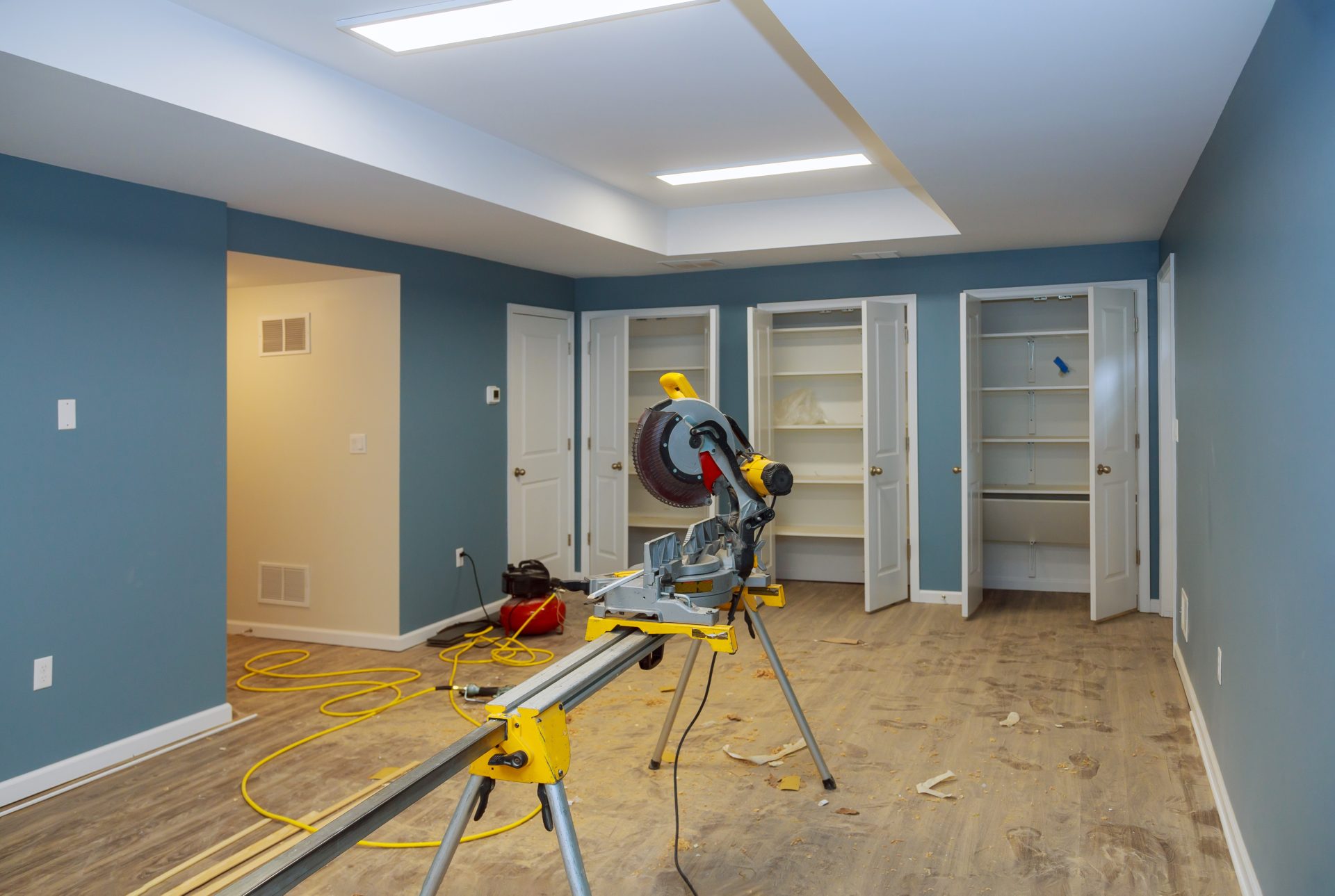
Not every builder is a remodeler. Remodeling requires a different mindset than new construction—working around existing structures, protecting the home, sequencing multiple trades, and solving surprises without drama.
Look for contractors who regularly do projects like yours:
-
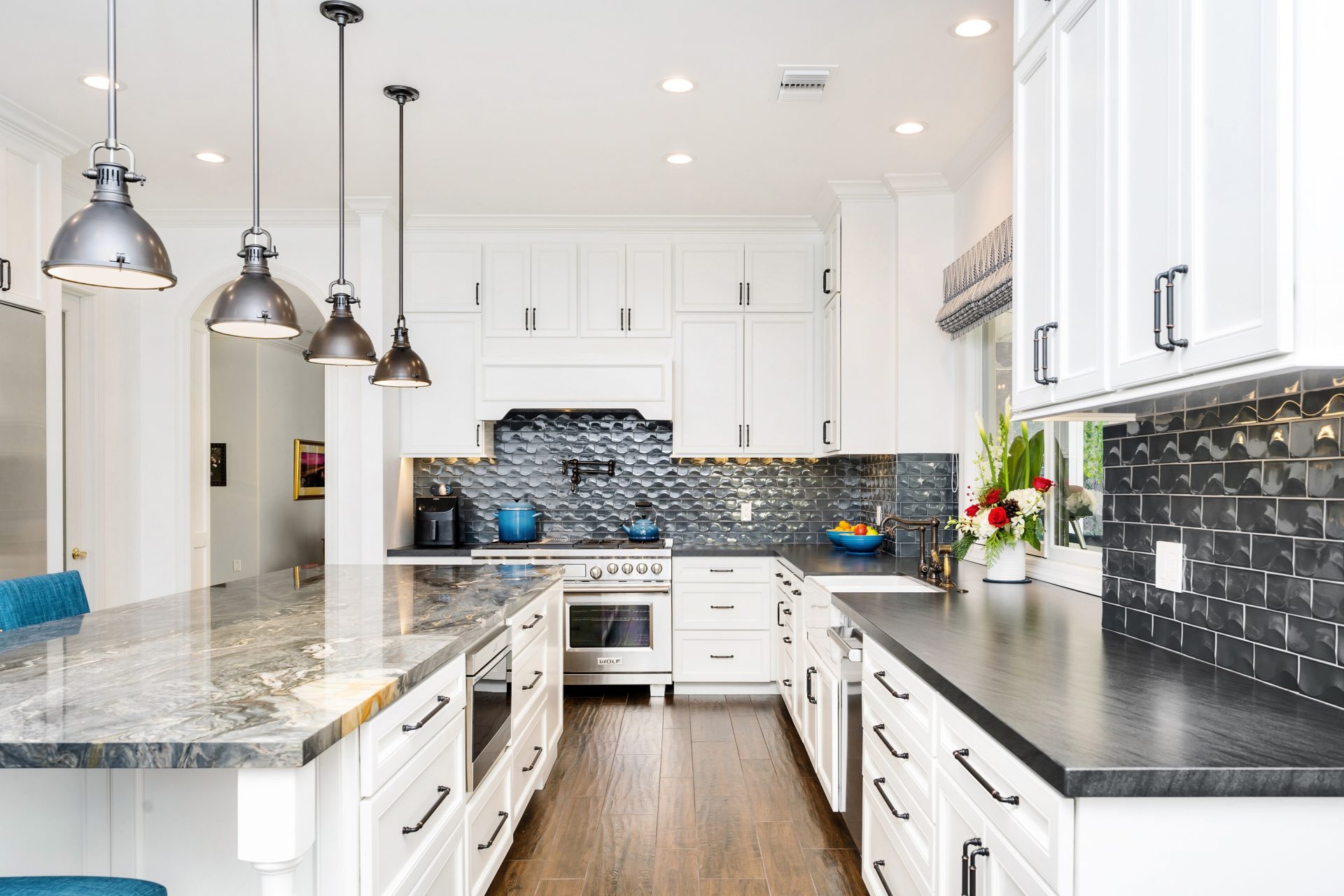
Kitchen remodels (layout changes, cabinetry, electrical, plumbing coordination)
-
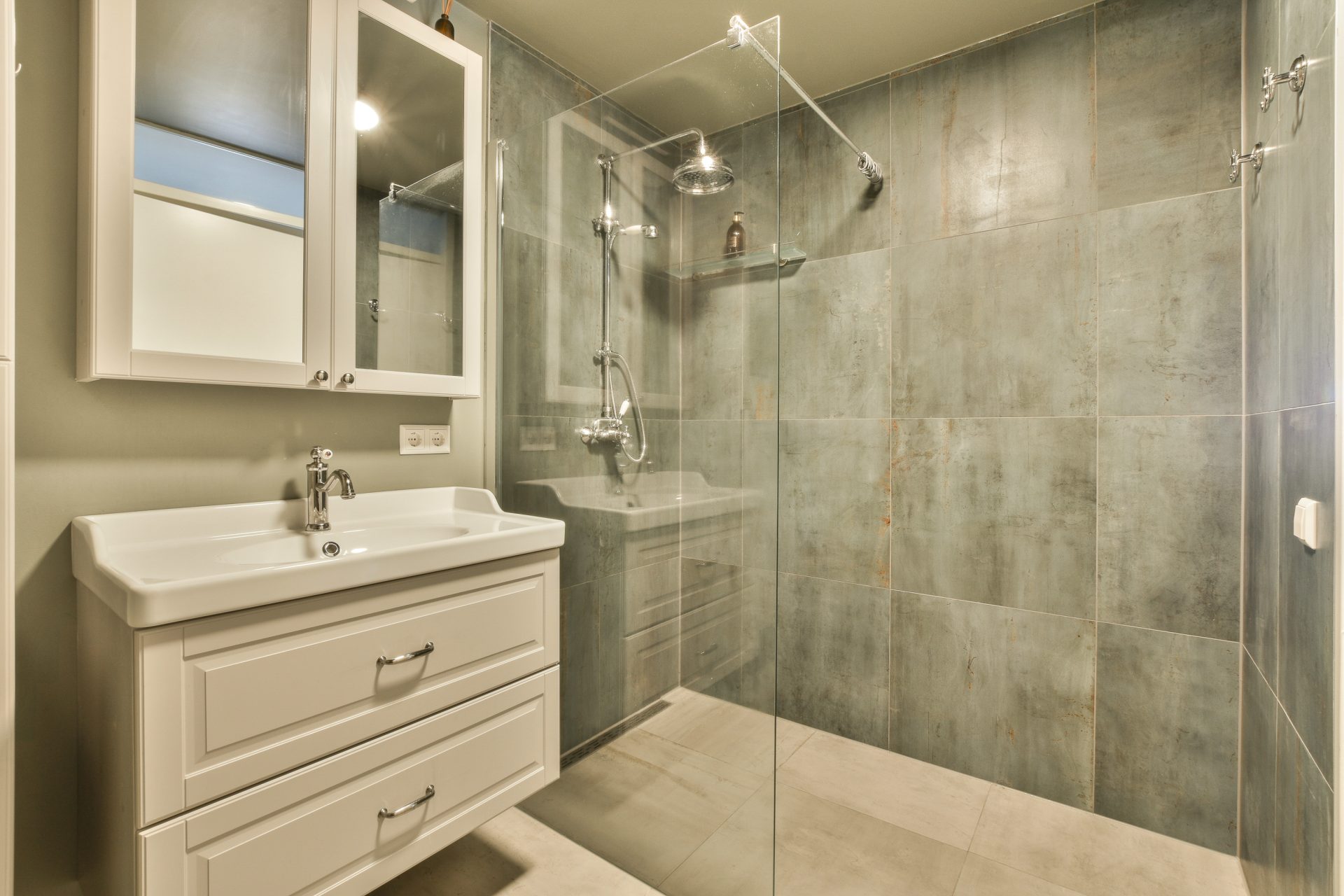
Bathroom remodels (waterproofing, tile work, ventilation, code requirements)
-
Basement finishes (egress, insulation, moisture control, mechanical planning)
-
Whole-home renovations (phasing, dust control, living-in-place planning)
If the contractor’s portfolio doesn’t show similar work, keep looking.
Step 3: Verify the Basics (Licenses, Insurance, and Local credibility)
Before you discuss numbers, confirm the contractor is legitimate and protected:
-
Proper licensing (as required locally)
-
General liability insurance
-
Workers’ comp coverage (or proof of compliance)
-
A physical business presence and clear contact info
Also check:
-
Reviews that mention communication, timeline, and cleanliness
-
Project photos (not just one or two—look for consistency)
-
How long they’ve been operating locally
Step 4: Interview contractors the right way (ask questions that reveal how they work)
Most homeowners ask about price first. A better approach is to ask questions that expose process and professionalism.
Here are questions that actually predict a smooth remodel:
Process & planning
-
How do you handle the estimate—do you do a site walkthrough?
-
Who creates the scope of work and confirms materials?
-
How do you handle permits and inspections?
Scheduling
-
What is your typical lead time before a project starts?
-
How long do projects like mine usually take?
-
How do you schedule trades to prevent downtime?
Communication
-
Who is my main point of contact?
-
How often will I get updates?
-
How do you document decisions and changes?
Change orders & surprises
-
What happens if we find something unexpected behind the walls?
-
How do you price changes—time and materials or fixed rates?
-
How do you avoid scope creep?
A good contractor won’t dodge these questions—they’ll have clear answers.
Step 5: Compare Bids by Scope, Not Just Price
Low bids are often low because something is missing. When comparing estimates, make sure each one includes:
-
Detailed scope (demolition, framing, plumbing, electrical, HVAC, drywall, paint, finishes)
-
Allowances (and what they cover)
-
Who supplies what (fixtures, tile, cabinets, countertops, etc.)
-
Cleanup, disposal, and protection (floor coverings, dust control)
-
Timeline assumptions and project start window
-
Payment schedule tied to milestones—not “half upfront and we’ll see”
If a bid is vague, ask for a revised version. A remodel is not the time to guess.
Step 6: Ask for References—and Ask the Right Questions
Don’t just ask, “Were you happy?” Ask things that reveal what it was like to live through the project:
-
Did they start and finish close to the promised timeline?
-
How was communication when changes came up?
-
Was the jobsite clean and respectful of your home?
-
Did the crew show up consistently?
-
Would you hire them again?
If possible, ask to see a completed project. Seeing details up close matters.
Step 7: Review the Contract Carefully (This Protects Both Sides)
A remodel contract should clearly state:
-
Full scope of work and exclusions
-
Material responsibilities and allowances
-
Start and completion expectations
-
Change order process
-
Warranty/repair policy
-
Payment schedule and lien releases (where applicable)
If anything feels unclear, request clarification in writing. A professional contractor expects that.
Step 8: Choose the Contractor You Trust to Manage the “Messy Middle”
Every remodel has a messy middle—when the kitchen is torn apart, the schedule is tight, and a surprise shows up behind the wall. The contractor you choose should be the person who stays calm, communicates clearly, and keeps moving forward.
Sometimes the “best” choice isn’t the cheapest—it’s the contractor who:
-
Defines scope clearly
-
Sets realistic timelines
-
Communicates consistently
-
Protects your home and your sanity
-
Delivers quality you won’t regret
What DCY Builders Brings to Remodeling Projects
At DCY Builders, we approach remodeling with the same mindset we bring to building: clear planning, strong craftsmanship, and communication you can count on. Whether it’s a kitchen remodel, bathroom update, basement finish, or a more involved renovation, we focus on doing it right—so your remodel feels organized instead of stressful.
If you’re considering a remodel in Southwest Colorado and want to talk through options, timeline, and next steps, reach out to DCY Builders to start the conversation.
Related Articles
Related
How Long Does Rough Framing Take? Timeline by Home Size
Rough framing is the phase where your home goes from lines on a plan to a real structure—floors, walls, and roof framing take shape, openings get set, and the building starts to look like a house. It’s also one of the biggest “momentum” stages of a project: when...
What “Dry-In” Means (and Why It’s a Huge Milestone in Your Build)
If you’ve ever heard a builder say, “We’re almost dried in,” they’re talking about one of the most important turning points in a construction project. Dry-in isn’t just a buzzword—it’s a real milestone that marks the moment your build shifts from “exposed to the...
DCY Builders – Expert Home Framing & Drying In Services
Welcome to DCY Builders, your trusted general contractor specializing in professional home framing and "drying in" services in Durango and the surrounding areas. With years of experience in the construction industry, DCY Builders not only provides high-quality work...